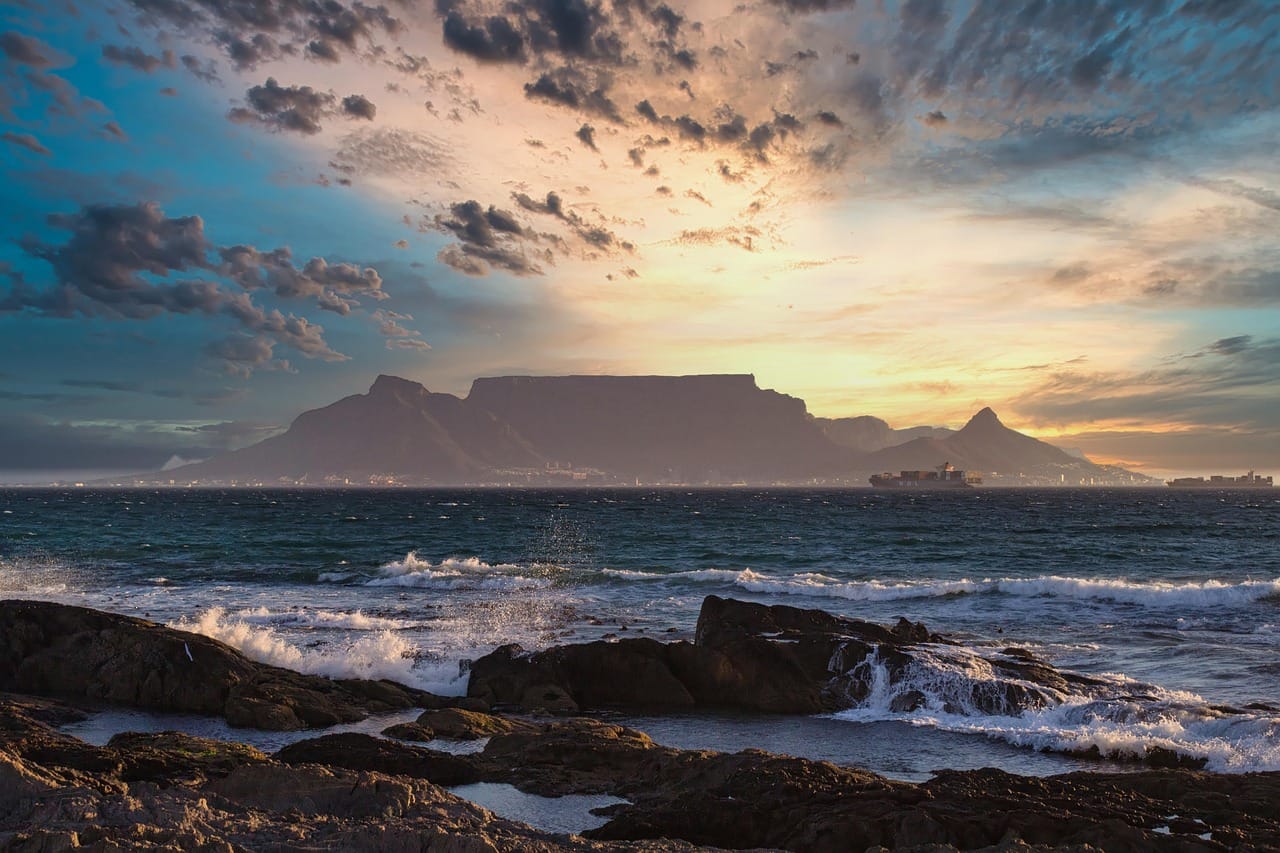
Cape Town from the top of Table Mountain
A local's three-day plan: the mountain, the Bo-Kaap, penguins on the beach, the Cape of Good Hope and a long lunch in the vineyards.
 Ada Okafor
4 min read
Ada Okafor
4 min read
Cape Town is a city that makes you look up. Table Mountain stands over everything, flat-topped and often draped in a white "tablecloth" of cloud, and around it, the city spreads out to beaches on two oceans, wine valleys, and a coastline that ends at the tip of a continent.
I live here, and this is the three-day plan I give every friend who visits.
Best time: November–April · Days: 3 · Budget: Mid-range · Getting around: Car and ride-hailing · Currency: Rand
Day 1 — Table Mountain and the city
Check the weather, and if the top is clear, go up the mountain first thing. You can take the cable car, or walk up the Platteklip Gorge path, a steep two-hour climb on stone steps. At the top, walk the paths to the edge for views down to the city bowl, Robben Island and the Atlantic.
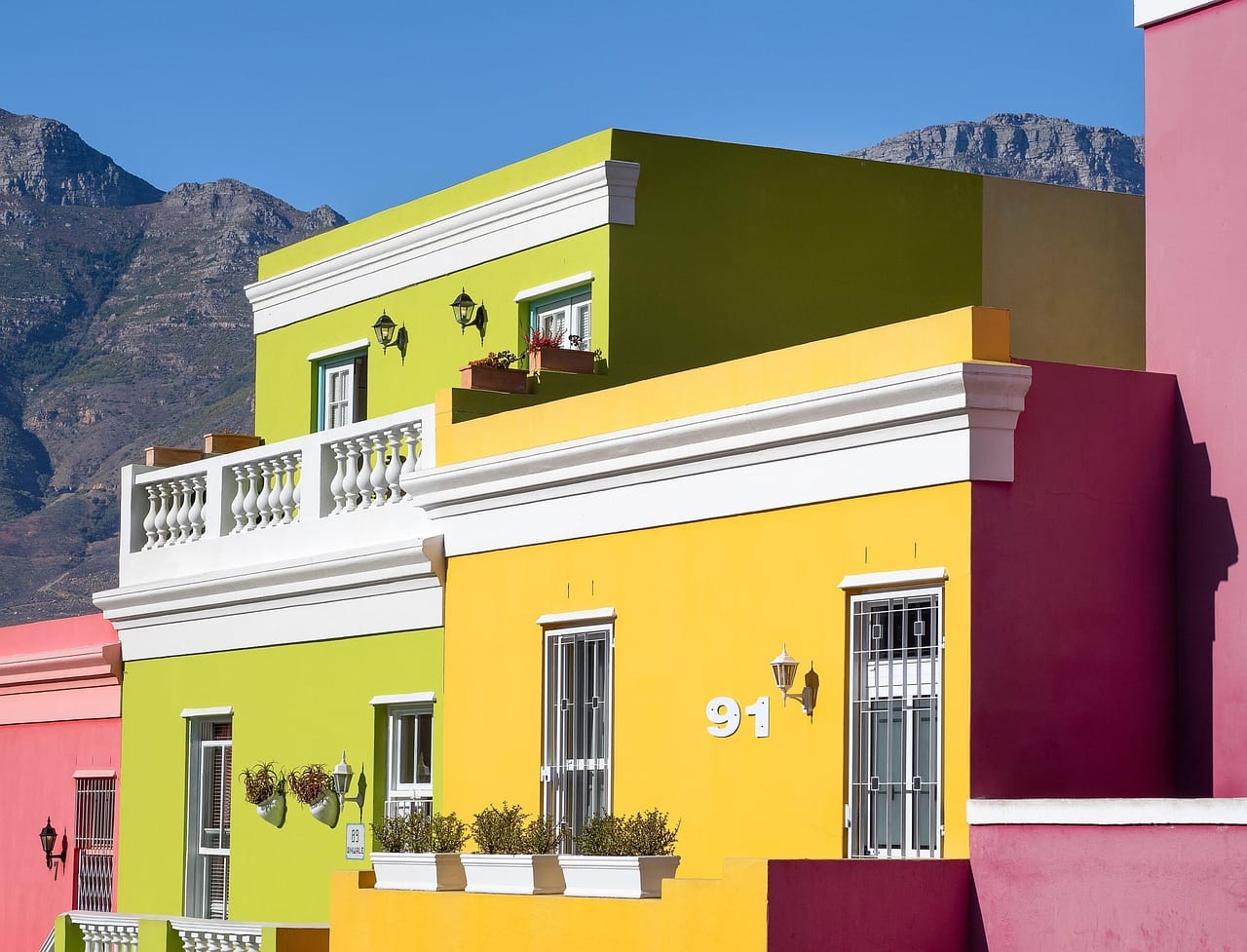
In the afternoon, walk through the Bo-Kaap, the old Cape Malay quarter with its brightly painted houses and cobbled streets, then visit the Company's Garden. End the day with a sundowner at Signal Hill as the city lights come on.
Day 2 — Down to the Cape of Good Hope
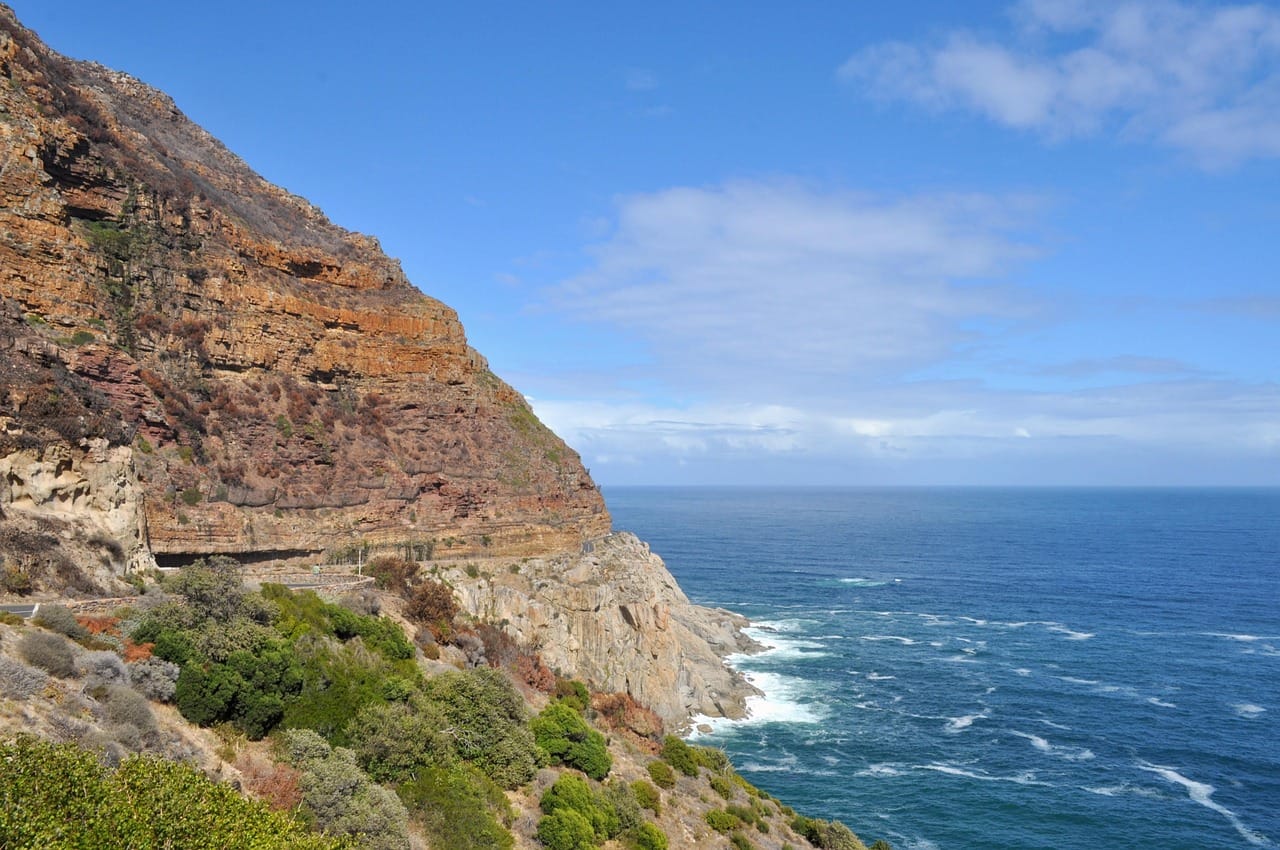
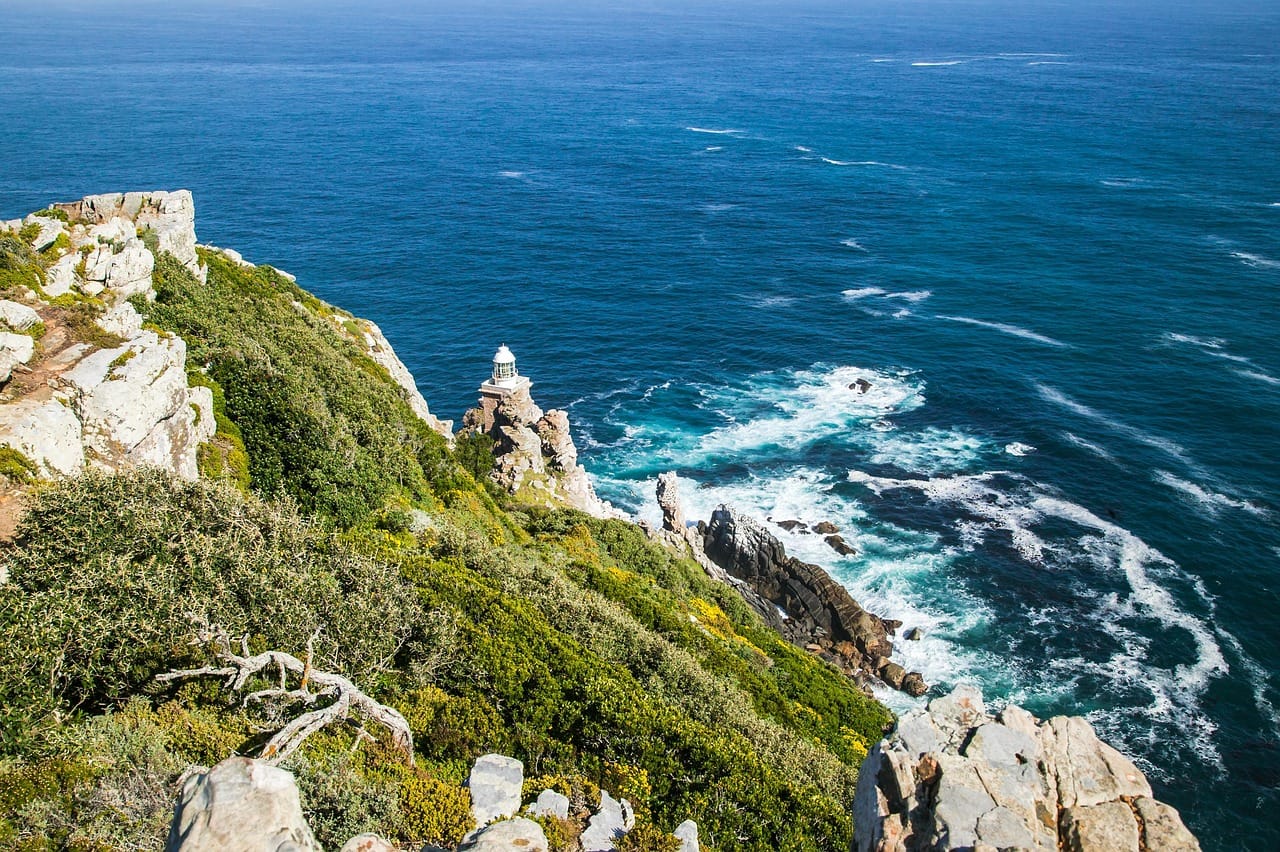
Drive south along the coast via Chapman's Peak Drive, one of the most beautiful roads in the world, carved into the cliffs above the sea. Continue to Cape Point and walk up to the old lighthouse.
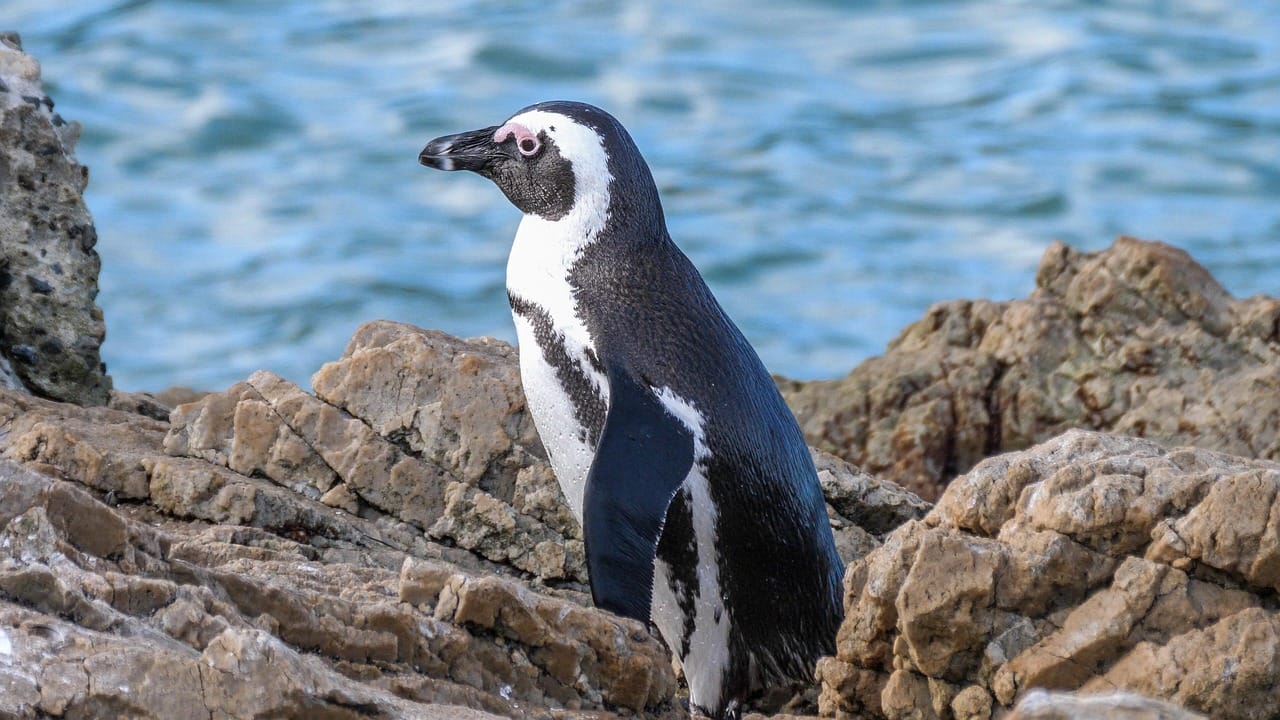
On the way back, stop at Boulders Beach, where a colony of African penguins lives among the granite rocks. Walk the boardwalks, then have fish and chips in Kalk Bay harbour.
When the tablecloth comes down, change your plans, not your mood.
Ada Okafor
Day 3 — Lion's Head and the winelands
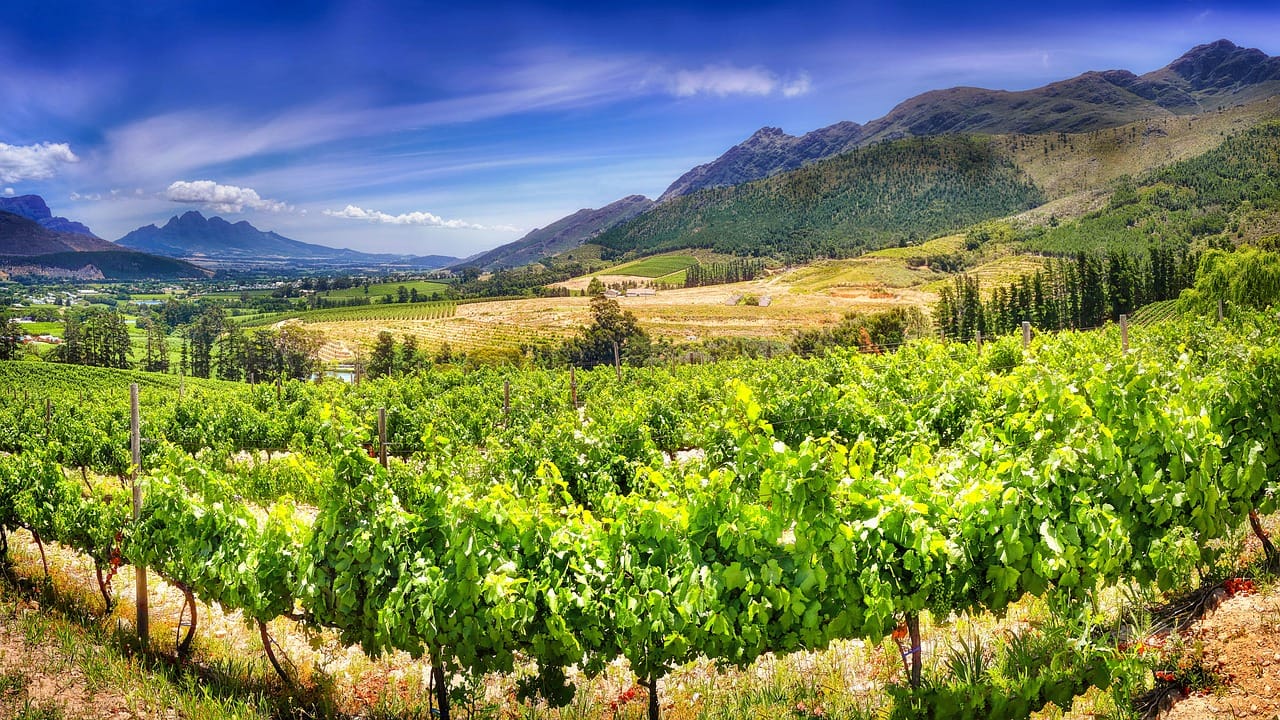
Climb Lion's Head early for sunrise; the walk takes about ninety minutes and ends with a few chains and ladders. Then drive an hour east to Stellenbosch or Franschhoek for a long lunch among the vineyards.
Where to stay and eat
Stay in the City Bowl, Gardens or Sea Point for easy access to the mountain, the Waterfront and the beaches of the Atlantic side. Sea Point has a long promenade that is perfect for an evening walk. The food scene is one of the best in Africa: try Cape Malay curries and koeksisters in the Bo-Kaap, a braai if you are invited to one, and fish straight off the boats in Kalk Bay. The winelands have some of the best restaurants in the country, often with a view that makes the long lunch even longer.
Extra day — Whales and wildflowers
If you have a fourth day, drive two hours east to Hermanus. From June to November, southern right whales come into Walker Bay to calve, and you can watch them from the cliff path in the middle of town. In spring, from August to September, the flowers of the West Coast National Park turn the fields orange, white and purple.
What it cost
Prices per person, for two people sharing, at the time of our trip. Use them as a guide; they change every season.
| Item | Cost |
|---|---|
| Guesthouse, 3 nights (shared) | R3,600 |
| Cable car return | R440 |
| Car hire and fuel (shared) | R1,200 |
| Cape Point and Boulders entries | R560 |
| Food and wine | R2,000 |
| Total, 3 days | about R7,800 |
What I would do differently
I would plan the mountain for whichever day has the clearest forecast, not the first day, and keep the other days flexible around it. I would also book a township tour with a local guide, which teaches you more about the city's history than any museum. And I would stay a week. Three days is a great start, but Cape Town is the kind of place where people come for a holiday and stay for years.
Know before you go
- The mountain weather changes fast. Carry water, a warm layer and a charged phone.
- Walk in groups on the mountain paths, and not after dark.
- The cable car closes in strong wind. Check the status before you go.
- Do not leave anything visible in a parked car.
- Tipping is expected: about 10–15% in restaurants and small change for car guards.