Getting lost on purpose in Marrakech
Three days in the souks, gardens and riads of the red city, and a day in the Atlas Mountains when it all gets too loud.
 Ada Okafor
4 min read
Ada Okafor
4 min read
The first time you walk into the medina of Marrakech, you get lost. The second time, you get lost on purpose. The old city is a maze of red walls, narrow lanes and covered souks, and the only way to enjoy it is to give up on the map, follow what looks interesting and trust that every lane eventually comes out somewhere.
Here are three days that mix the noise of the souks with the calm behind closed doors, plus a day in the mountains when the city gets too much.
Best time: March–May, October–November · Days: 3 · Budget: Mid-range · Getting around: On foot · Currency: Moroccan dirham
Day 1 — Into the souks
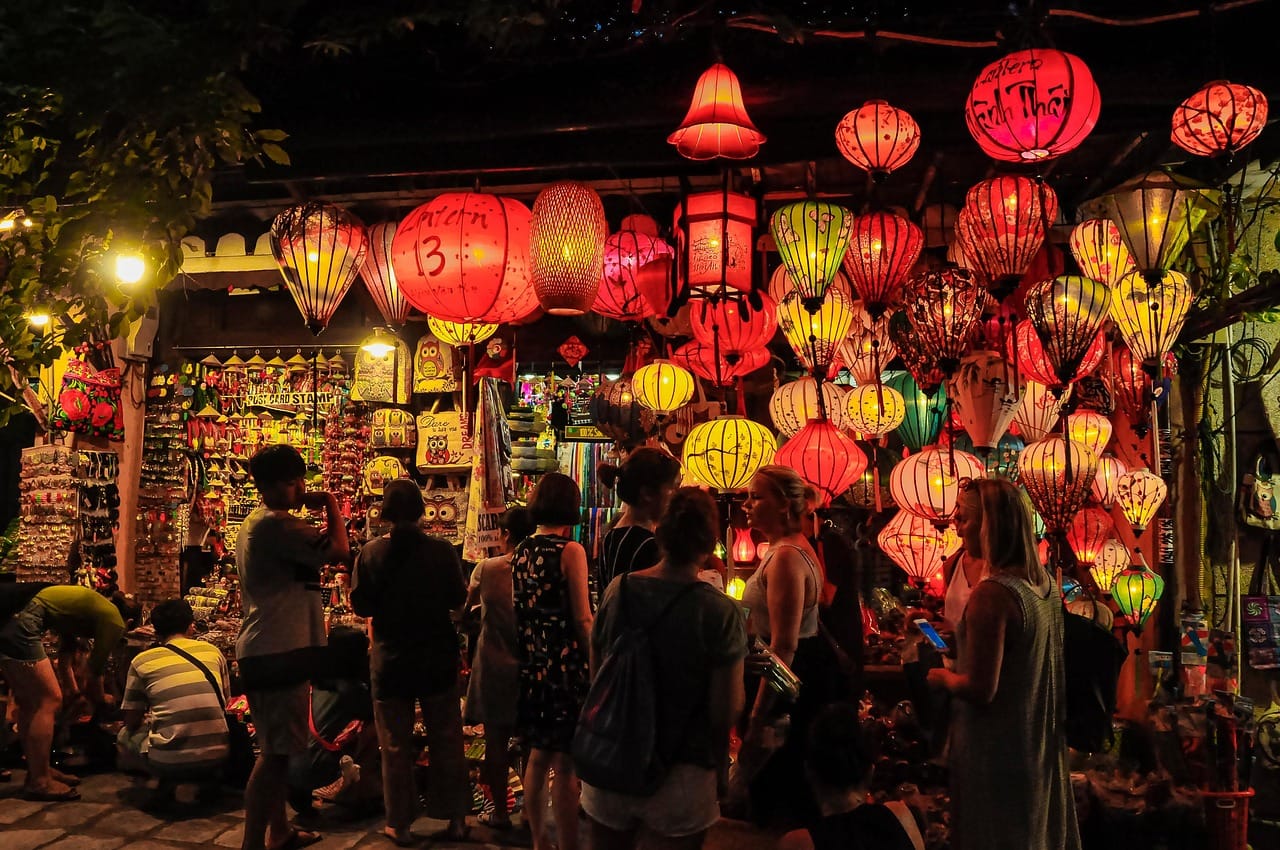
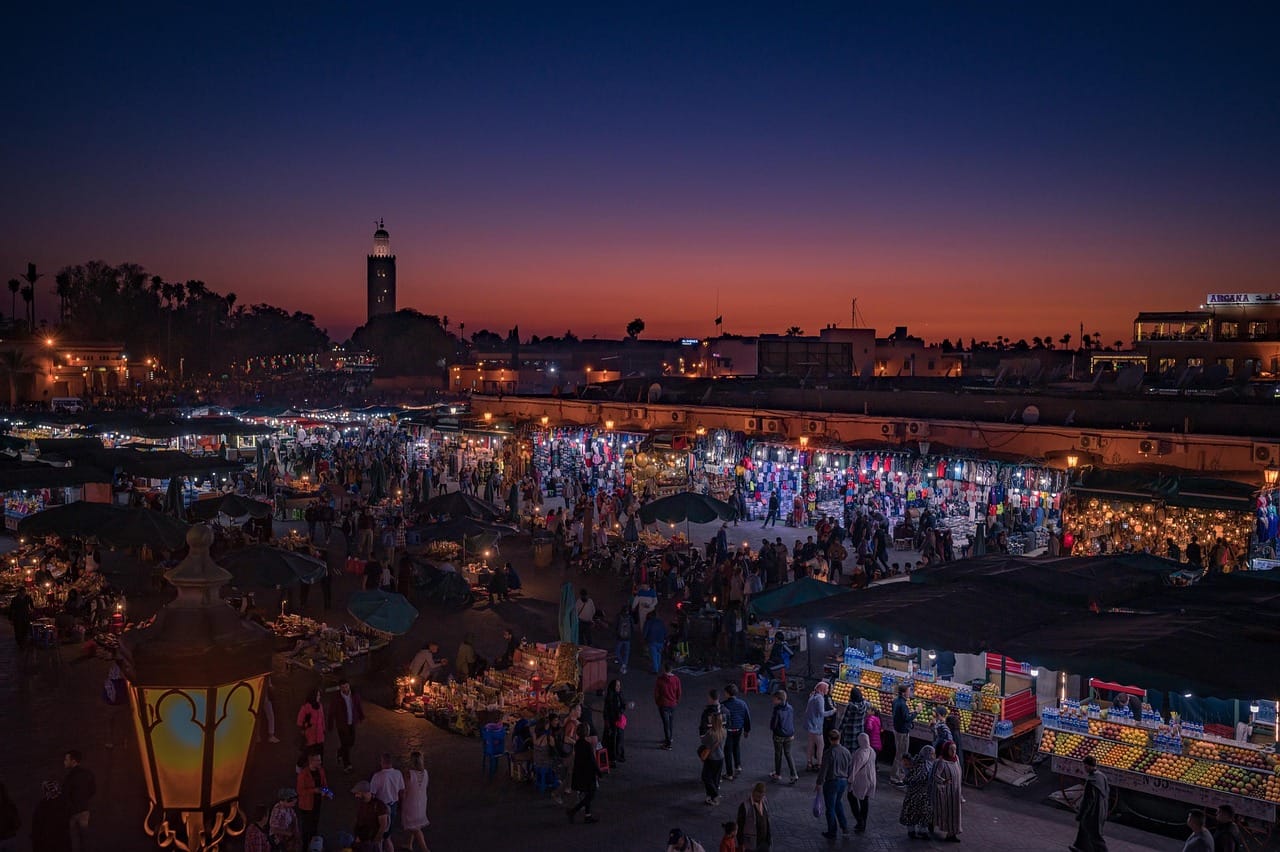
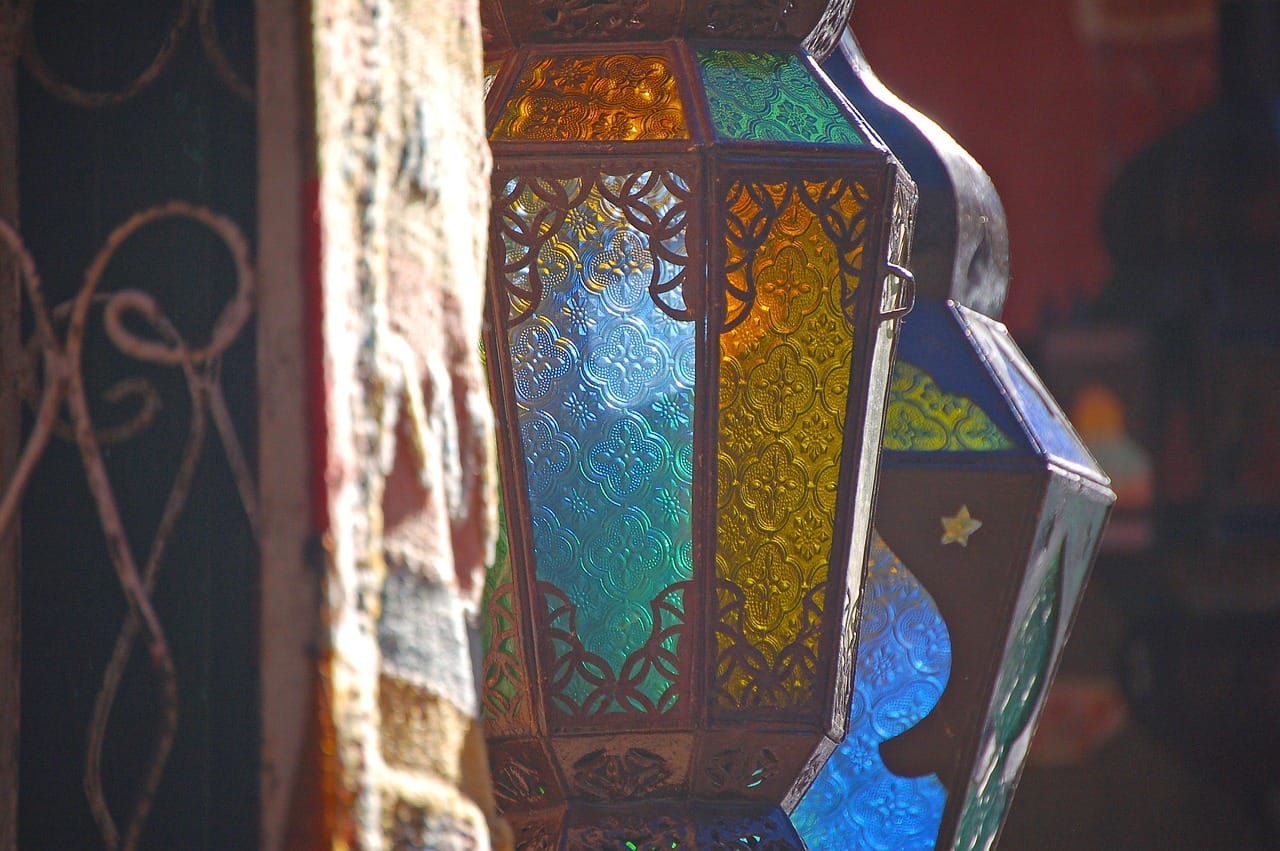
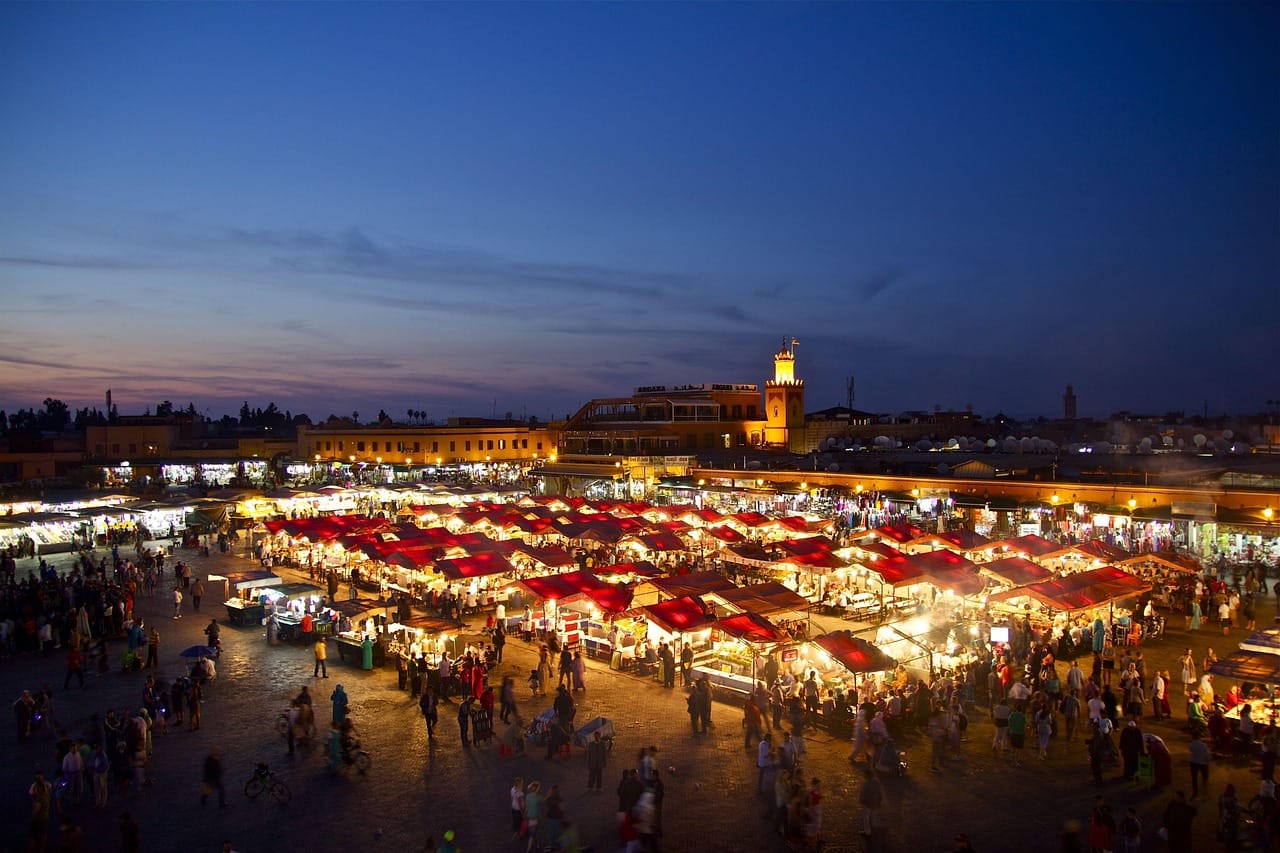
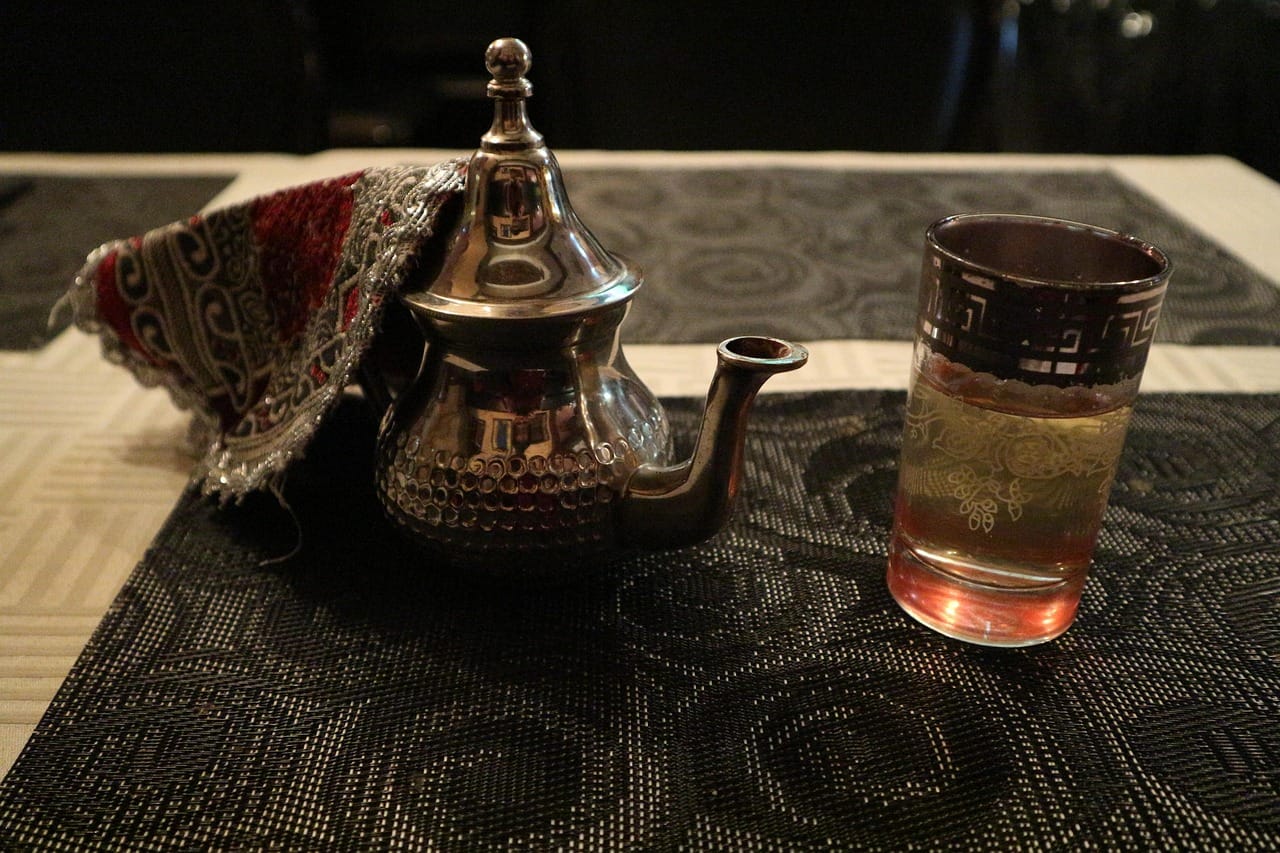
Start at the Jemaa el-Fna, the great square, in the morning, when it is almost empty. Then head north into the souks. Each lane has its trade: slippers, lanterns, leather, spices, carpets, metalwork. Look, ask prices, drink the mint tea you are offered and never feel you have to buy.
At lunchtime, find a rooftop café over the square and watch it fill up. In the evening, come back down when the food stalls open. Sit where the locals sit, and try harira soup, snail broth if you are brave and grilled merguez sausages.
Day 2 — Gardens and palaces
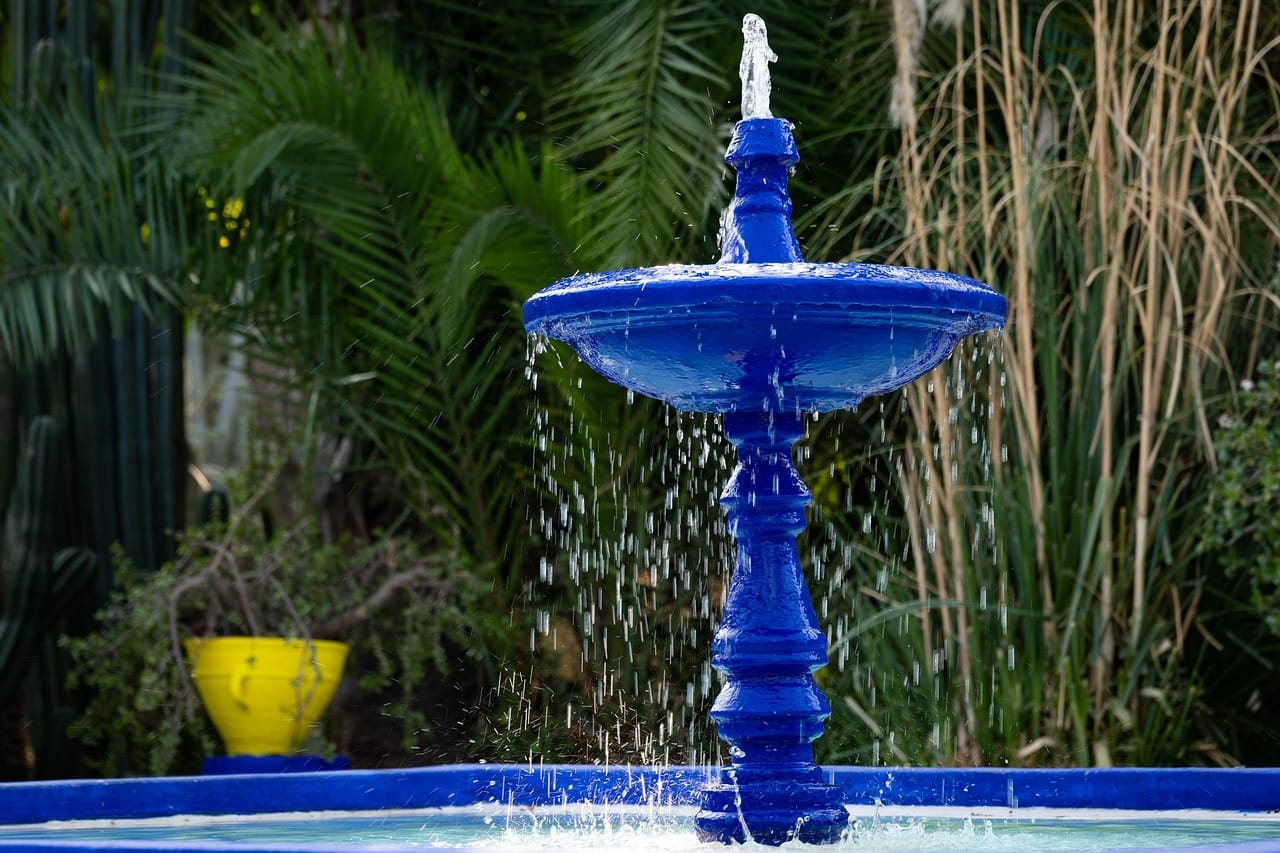
Marrakech has a quiet side, and it is mostly in its gardens. Go early to the Jardin Majorelle, the cobalt-blue garden created by a French painter and later restored by Yves Saint Laurent. Then visit the Bahia Palace and its courtyards of carved cedar and painted tiles.
In the afternoon, go to a hammam. The traditional public ones are cheap, hot and very thorough; the spa versions are gentler. Either way, you will come out cleaner than you have ever been.
The medina is loud, but every door you open leads to silence.
Ada Okafor
Day 3 — The Atlas Mountains
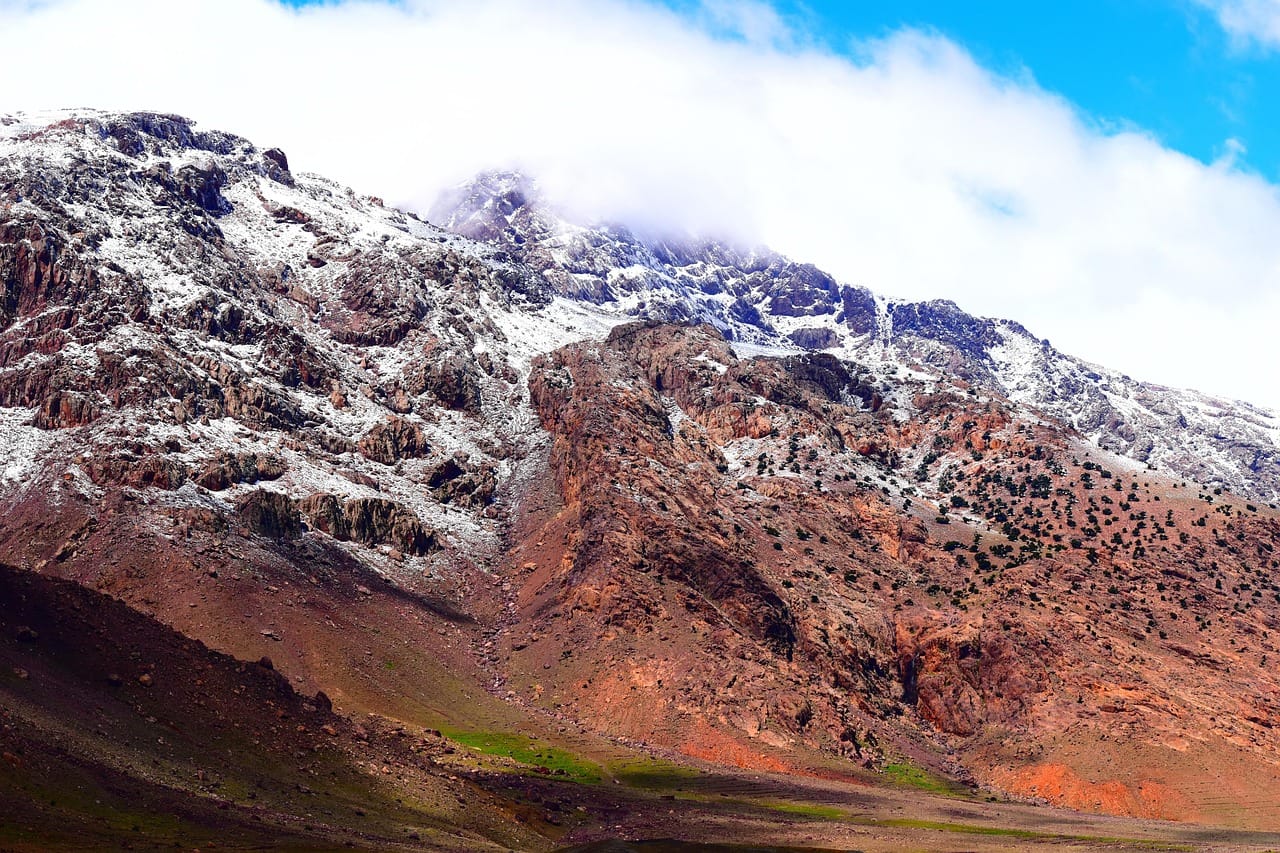
An hour and a half south of the city, the High Atlas rises straight out of the plain, snow-topped until late spring. Hire a driver or join a small group to the Imlil valley, walk through the walnut groves to a Berber village, and have lunch on a terrace with a view of Toubkal, the highest mountain in North Africa.
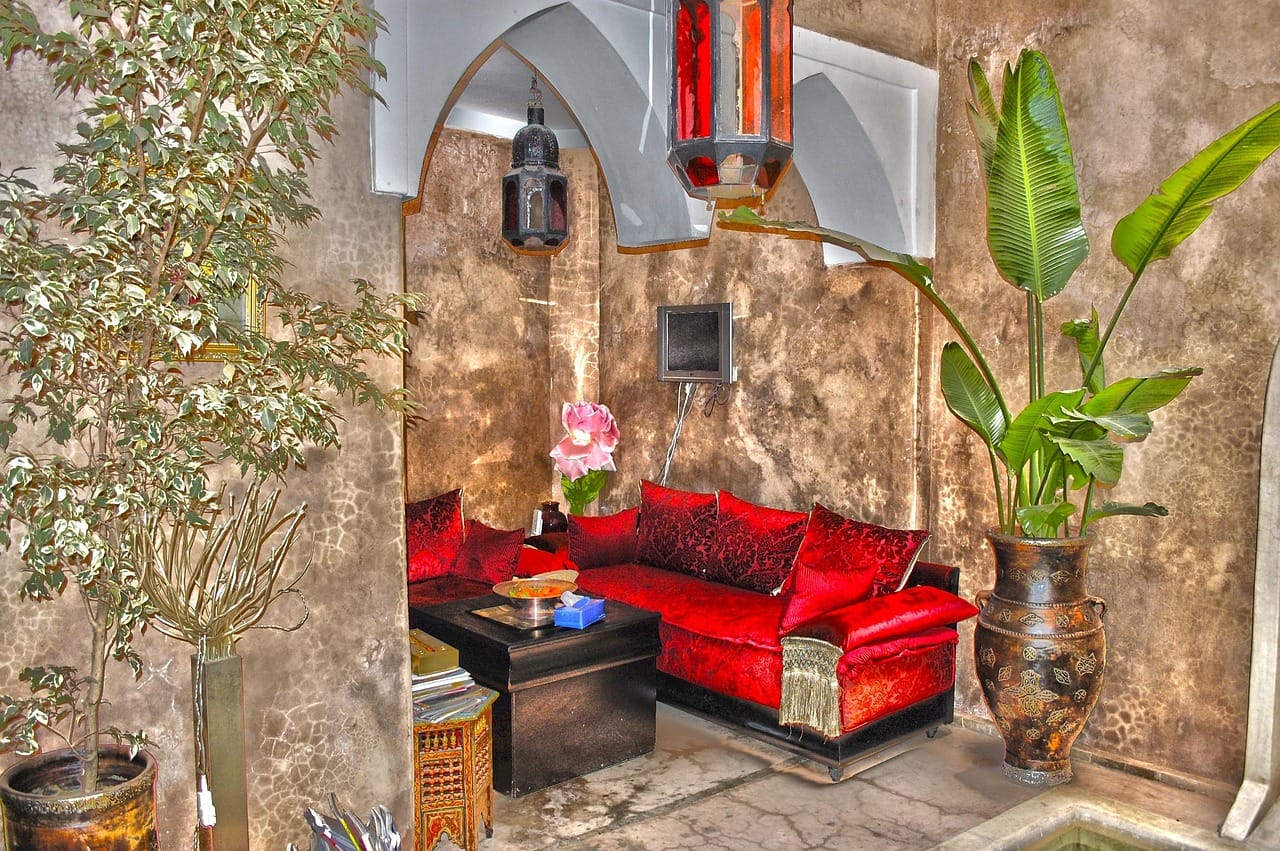
Back in the city, spend your last evening in a riad, one of the old courtyard houses turned into small hotels. Dinner by a fountain, under an orange tree, is the best answer to a day of noise.
Where to stay and eat
Stay in a riad inside the medina walls, ideally within fifteen minutes' walk of the Jemaa el-Fna. The best ones have only a few rooms, a roof terrace and a breakfast of msemen pancakes, honey, fresh orange juice and strong coffee. For dinner, try a slow-cooked tanjia, the city's own dish of beef or lamb cooked for hours in a clay pot in the embers of a hammam furnace. Nomad and the other rooftop restaurants around the spice square are good for a calmer evening with a view.
What it cost
Prices per person, for two people sharing, at the time of our trip. Use them as a guide; they change every season.
| Item | Cost |
|---|---|
| Riad, 3 nights (shared) | 2,700 MAD |
| Garden and palace entries | 250 MAD |
| Hammam | 400 MAD |
| Atlas day trip | 700 MAD |
| Food and tea | 1,200 MAD |
| Total, 3 days | about 5,250 MAD |
What I would do differently
I would book the hammam for the first evening, not the second. After a day in the souks, nothing resets the senses like an hour of steam and scrubbing. I would also take the Atlas day trip in the middle of the stay, as a break, rather than at the end. And I would buy fewer lanterns. They are beautiful, but they do not fit in hand luggage.
Know before you go
- Prices in the souks are for bargaining. Start at about a third and meet in the middle.
- Young men will offer to show you the way. Say "no, thank you" and keep walking; it is fine to be lost.
- Dress modestly in the medina, with shoulders and knees covered.
- Ask before photographing people. Performers in the square will expect a tip.
- Friday is the holy day; some shops close at midday.